 0
0
 0
0
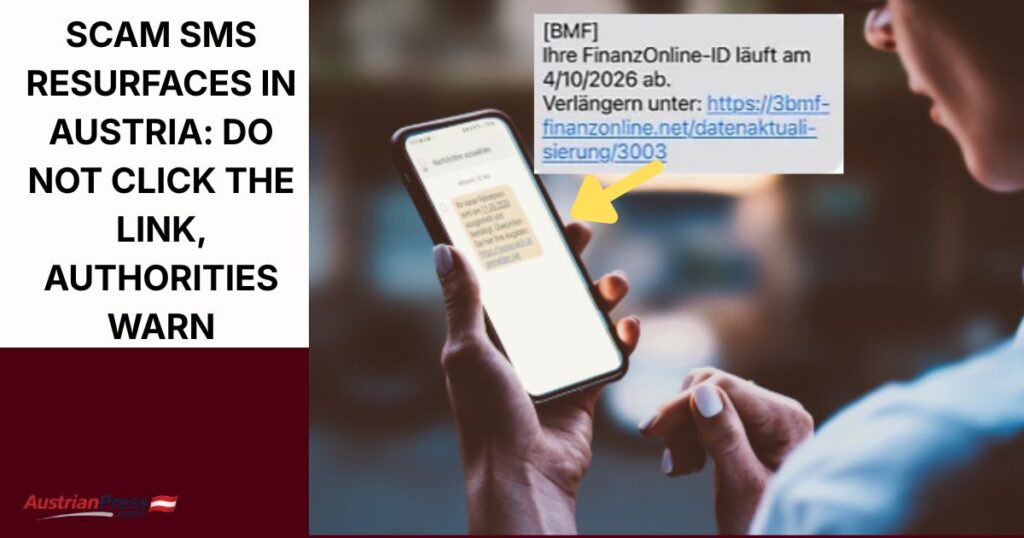
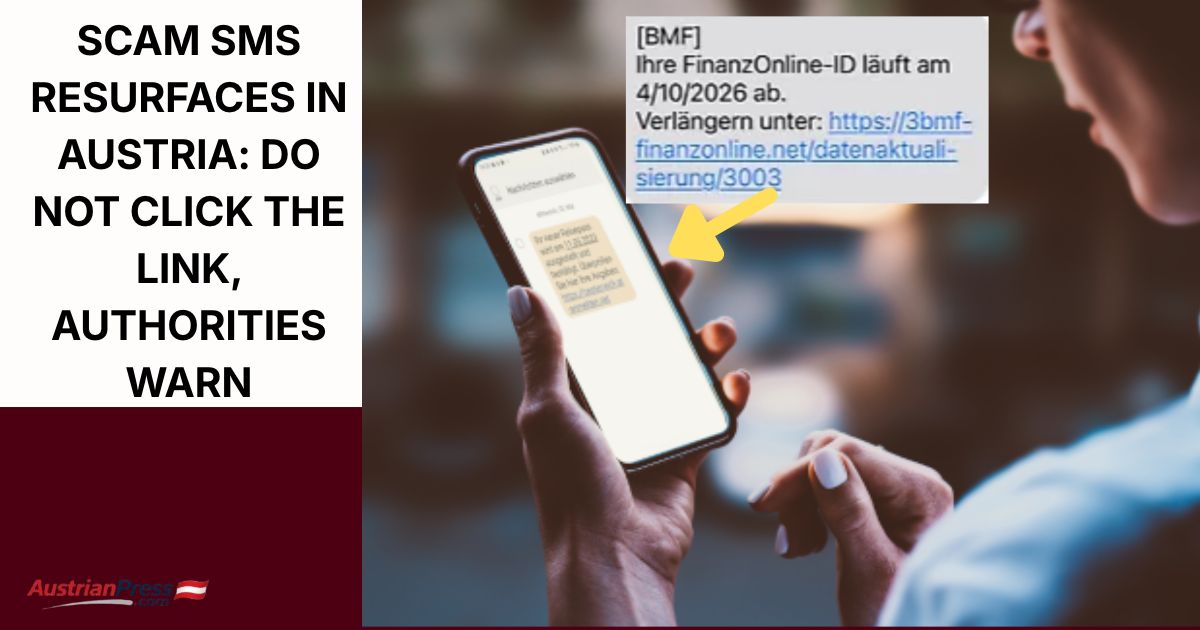
A fraudulent SMS and WhatsApp scam that first circulated in 2025 has reappeared, targeting Austrian taxpayers with fake messages claiming their FinanzOnline ID is about to expire.
The messages are designed to look as though they come from Austria’s tax administration and urge recipients to renew their allegedly expiring FinanzOnline account. To do so, users are instructed to click on a link included in the message.
However, the link does not lead to the official FinanzOnline platform. Instead, it directs victims to a counterfeit website created by cybercriminals seeking to obtain sensitive personal information.
Known Scam Returns
The scheme is not new. A nearly identical fraud campaign was already reported in 2025 and has now resurfaced in October 2026.
According to available information, scammers are falsely presenting themselves as representatives of Austria’s tax authorities. The names of the Federal Ministry of Finance (BMF), the Austrian Tax Office, the Austrian Customs Office and FinanzOnline are being misused as senders or purported issuing authorities.
The fake expiring FinanzOnline ID is only one of several pretexts used by fraudsters. Similar messages may also claim recipients are entitled to tax refunds, owe outstanding payments, face imminent enforcement action, have experienced suspicious login attempts, or must update their FinanzOnline account details.
Do Not Follow the Instructions
Anyone receiving such a message should avoid clicking on any links or opening attached files. Recipients are also advised never to enter or transmit personal information, including passwords, credit card details or banking data.
The Ministry of Finance has stressed that these messages and the websites linked within them are fraudulent. Official communications from Austria’s tax authorities are generally delivered through established channels, such as postal mail or the FinanzOnline inbox.
Authorities therefore recommend deleting suspicious messages immediately and ignoring any instructions they contain.
What Is Smishing?
The scam is an example of so-called “smishing”, a form of phishing in which criminals use SMS messages as bait to trick victims into revealing confidential information or accessing malicious websites.
Cybersecurity experts recommend verifying any unexpected requests through official channels and exercising caution whenever messages create a sense of urgency or threaten consequences if immediate action is not taken.
- source: vienna.at/picture: canva.com



This post has already been read 4061 times!